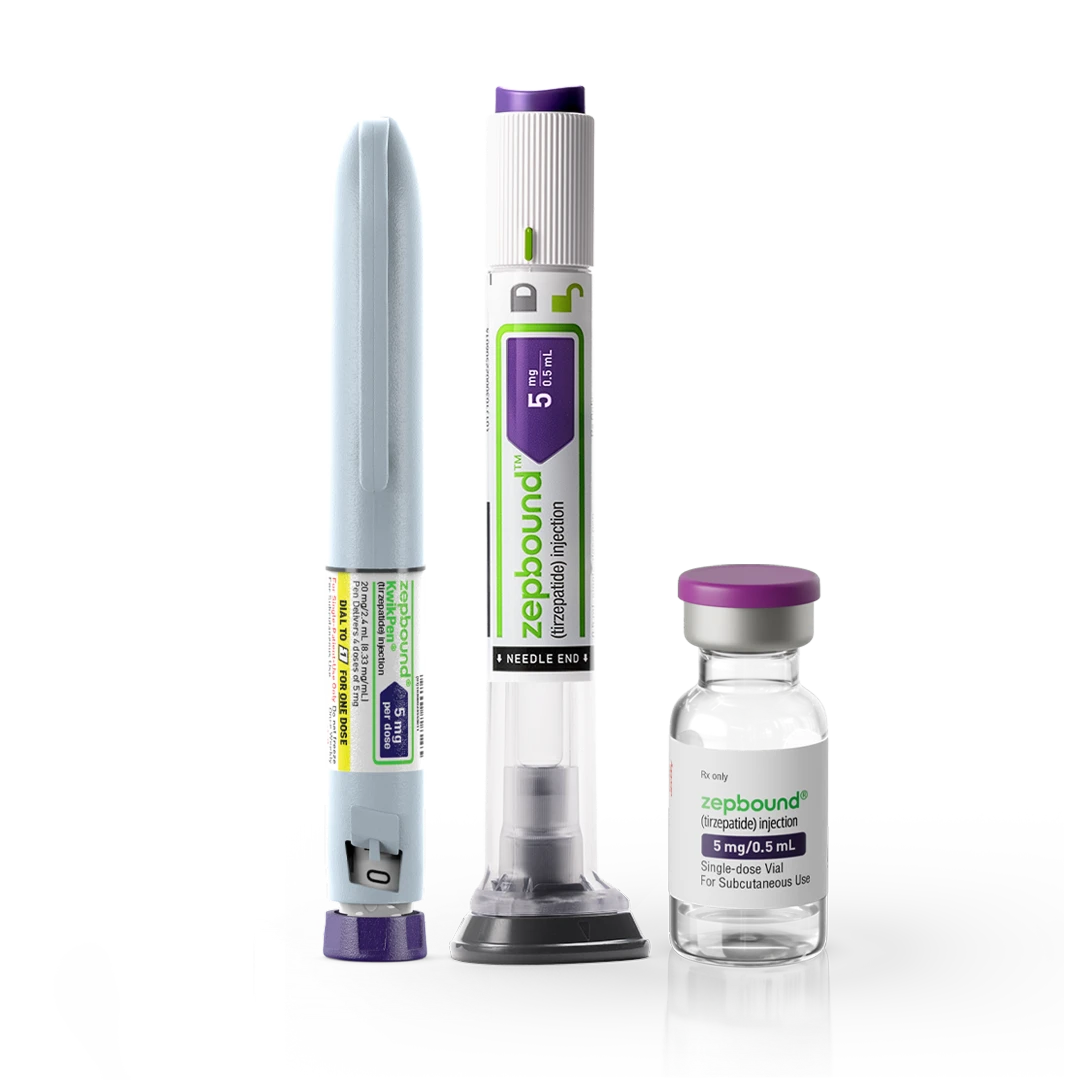
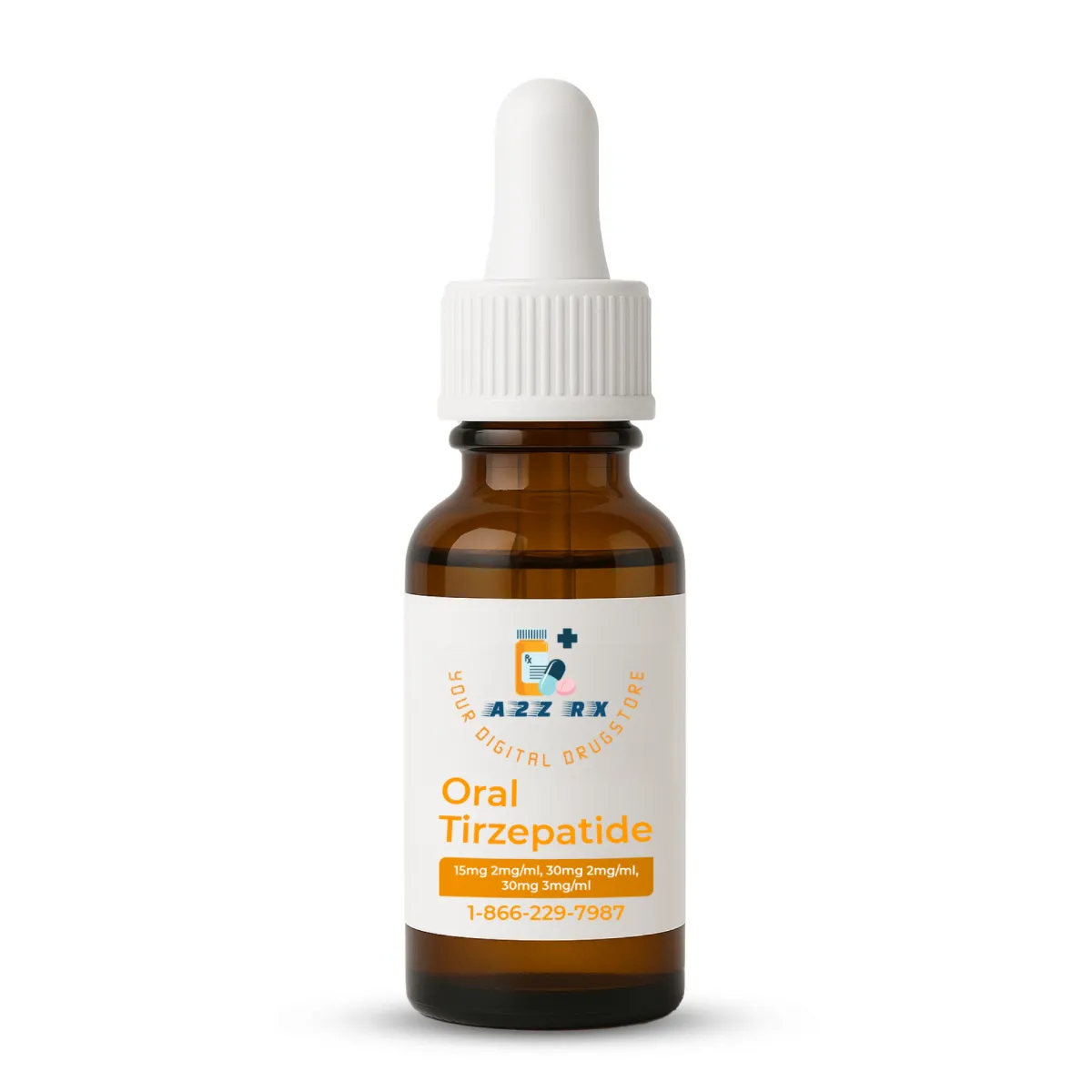
Benefits & Considerations Potential Benefits: Greater weight loss efficacy than single-agent GLP-1s Enhanced satiety and appetite control Reduced caloric intake without stimulant side effects Possible benefits on glucose regulation and lipids Considerations: Still experimental not yet available for clinical use May share similar GI side effects (nausea, fullness, constipation) Requires ongoing injection therapy for maintenance The Future of Multi-Hormone Obesity Therapy If current trials continue to show success, cagrilintide-based combinations could usher in a new generation of multi-agonist weight-loss medicationssimilar to how tirzepatide built on semaglutides success by adding GIP activity
Results: Compared to mGFR, GFR NMR had a mean bias of -1.64 mL/min/1.73m 2 [-3.43 - 0.16], statistically smaller than both CKD-EPI 2021 Cr of 7.5 [4.9 - 9.8], and CDK-EPI 2021 Cr-Cys of -2.9 [-4.8 - -1.3]
A 2024 review surveyed neurotransmitter-system interactions in this body of work (PMID 38675421), suggesting the compound's effects on central nervous system tissue may share mechanisms with its peripheral activity
Tetramethylpyrazine ameliorates systemic streptozotocin-induced Alzheimer-like pathology
Given that GHK-Cu is a naturally occurring molecule present in human plasma, concerns about long-term topical use seem largely theoretical










.jpg)